

Yalta European Strategy
Back to project pageYalta European Strategy
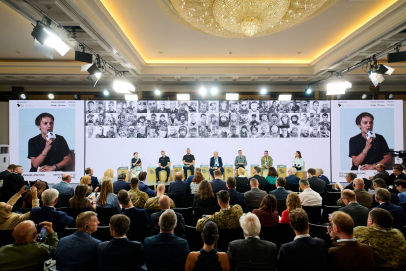
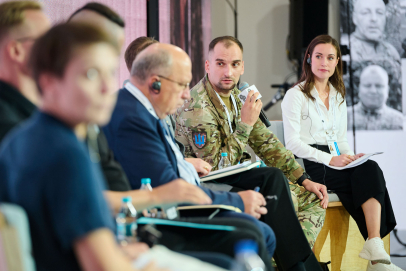
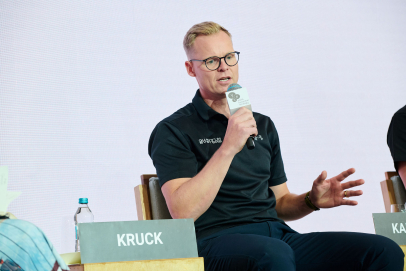
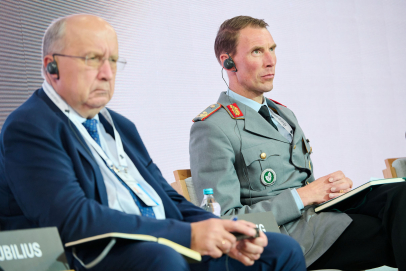
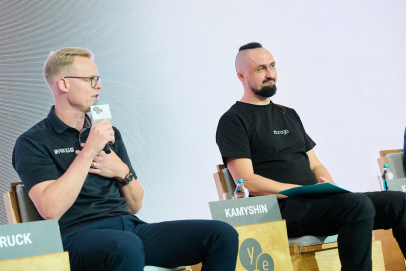
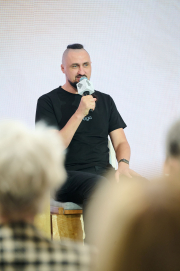
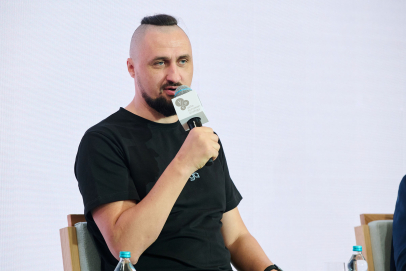
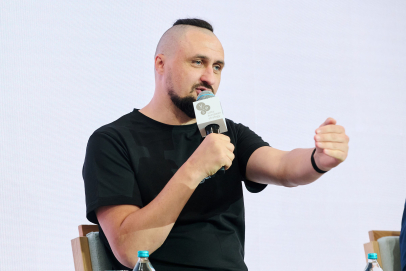
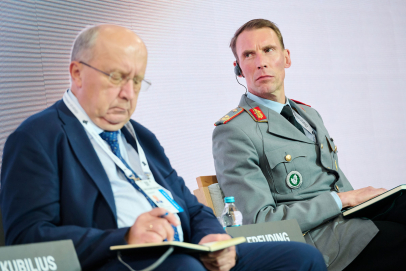
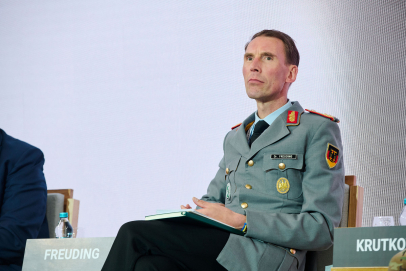
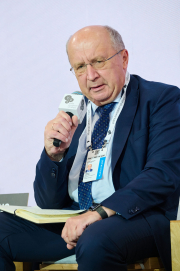
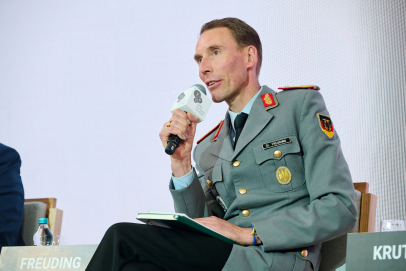
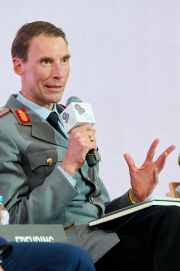
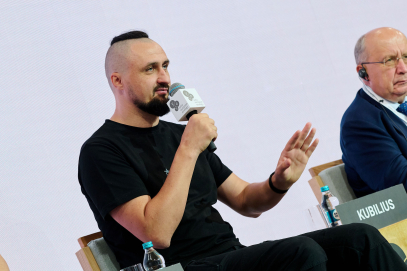
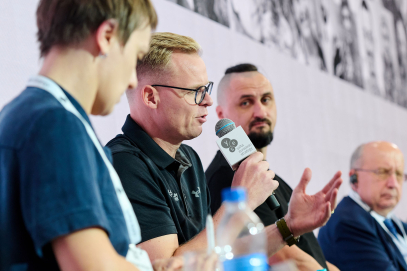
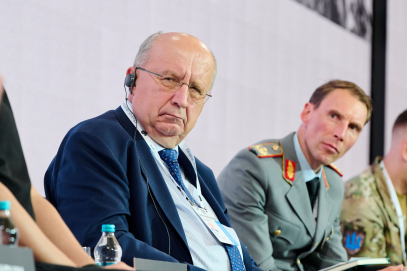
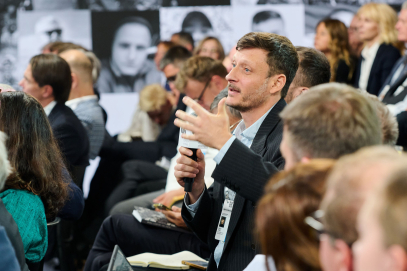
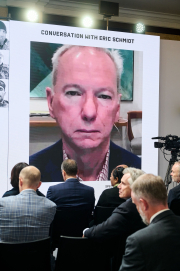
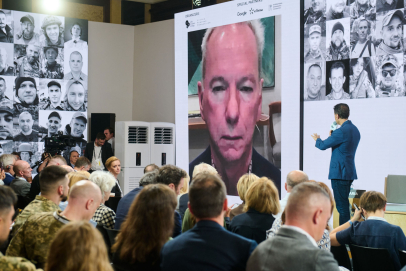
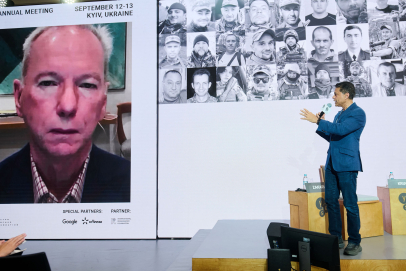
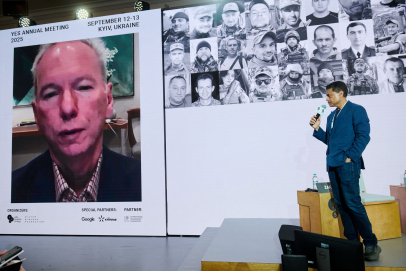
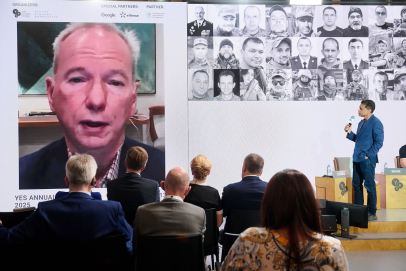
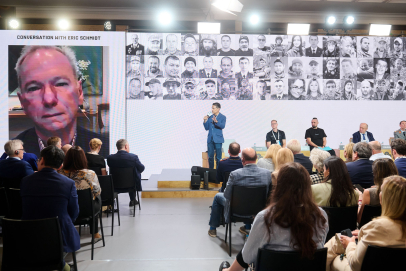
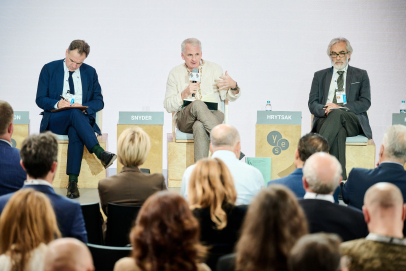
Yalta European Strategy (YES) is a leading forum for discussing Ukraine’s European future and global context. YES fosters new ideas. It connects Ukraine to international partners, supports forces for change in the country, and builds networks of supporters for a new Ukraine worldwide.
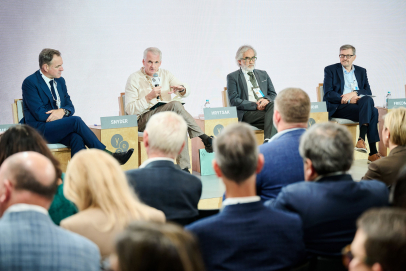
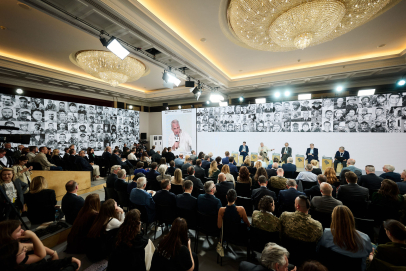
For more than 20 years, YES has initiated a dialogue between leaders from Ukraine, the EU, the US and beyond. Within Ukraine, it provides a platform for the government and opposition. It brings together leaders from politics, business, media, civil society, and the expert community.
YES began in 2004 when Victor Pinchuk invited some 30 European leaders to debate the future of Ukraine and the EU at the first Annual Meeting.
The YES Annual Meeting took place at the Livadia Palace in Yalta from 2004 to 2013. This symbolic location, where Europe was divided in 1945, thus became the venue for uniting a wider Europe. After the annexation of Crimea by the Russian Federation, the YES Annual Meeting moved to the Ukrainian capital, Kyiv.
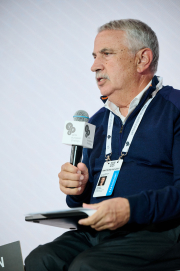
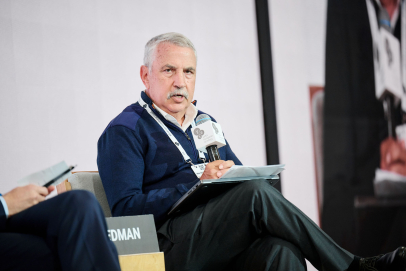
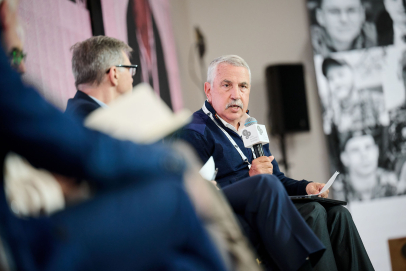
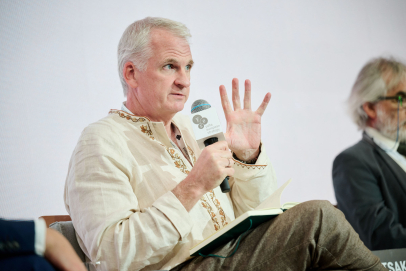
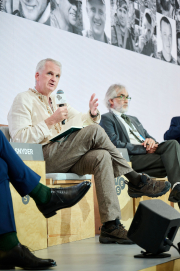
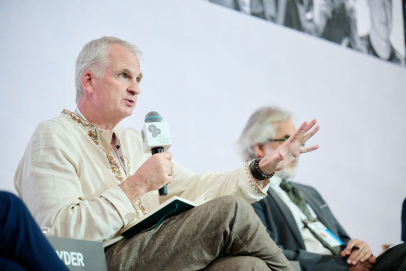
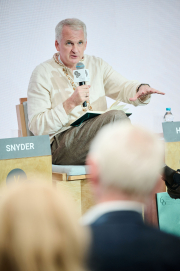
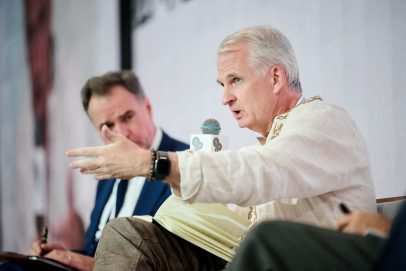
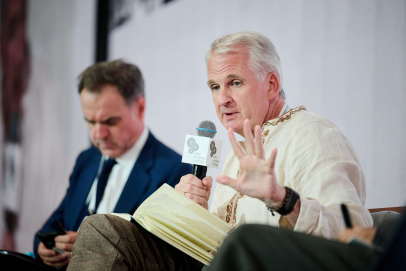
YES meetings have brought together heads of state and government such as Tony Blair, Gordon Brown, Bill Clinton, Dalia Grybauskaitė, Recep Tayyip Erdoğan, Toomas Hendrik Ilves, Boris Johnson, Bronisław Komorowski, Mario Monti, Shimon Peres and Donald Trump. Among the speakers were also heads of international organizations like Kofi Annan, José Manuel Barroso, Anders Fogh Rasmussen, Ronald Noble, James Wolfensohn, Lamberto Zannier and Robert Zoellick. Senior officials, such as Hillary Clinton, Valdis Dombrovskis, Robert Gates, Johannes Hahn, Chrystia Freeland, Victoria Nuland, Condoleezza Rice and Martin Schulz, have spoken at the meetings. In addition, experts and social leaders like Richard Branson, Richard Haass, Niall Ferguson, Arthur Laffer, Timothy Snyder, Larry Summers, Nouriel Roubini and Strobe Talbott have been among the panelists. Presidents and Prime Ministers of Ukraine, as well as Ukraine’s political, business and social leaders, regularly speak at the meetings.
The YES Board includes Aleksander Kwaśniewski, President of Poland (1995-2005), Chairman of the YES Board; Carl Bildt, Minister for Foreign Affairs of Sweden (2006-2014), Prime Minister of Sweden (1991-1994); Wolfgang Ischinger, President of the Foundation Council of the Munich Security Conference Foundation; Kersti Kaljulaid, President of Estonia (2016-2021); Sanna Marin, Prime Minister of Finland (2019–2023); Victor Pinchuk, Founder and Member of the Board, YES and Founder of the Victor Pinchuk Foundation and EastOne group, and Stephane Fouks, Vice President of Havas Group, Executive Chairman of H/Advisors.
Official site: yes-ukraine.org